Look Again

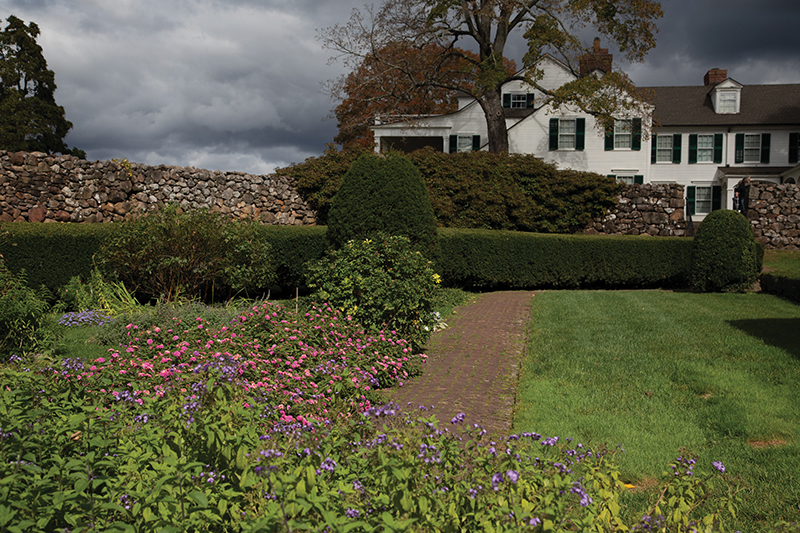
  This article appears in the Winter 2025 issueWilliam Earle William’s ethereal photographs transport us back in time and to another place—familiar, and yet layered with new meaning. Through a two-year residency with the Florence Griswold Museum in Old Lyme, Connecticut, culminating in a special exhibition there last year, and now a catalog, Their Kindred Earth, Williams explored the eastern …

Justin Smith Morrill: Father of the System of Land-Grant Colleges

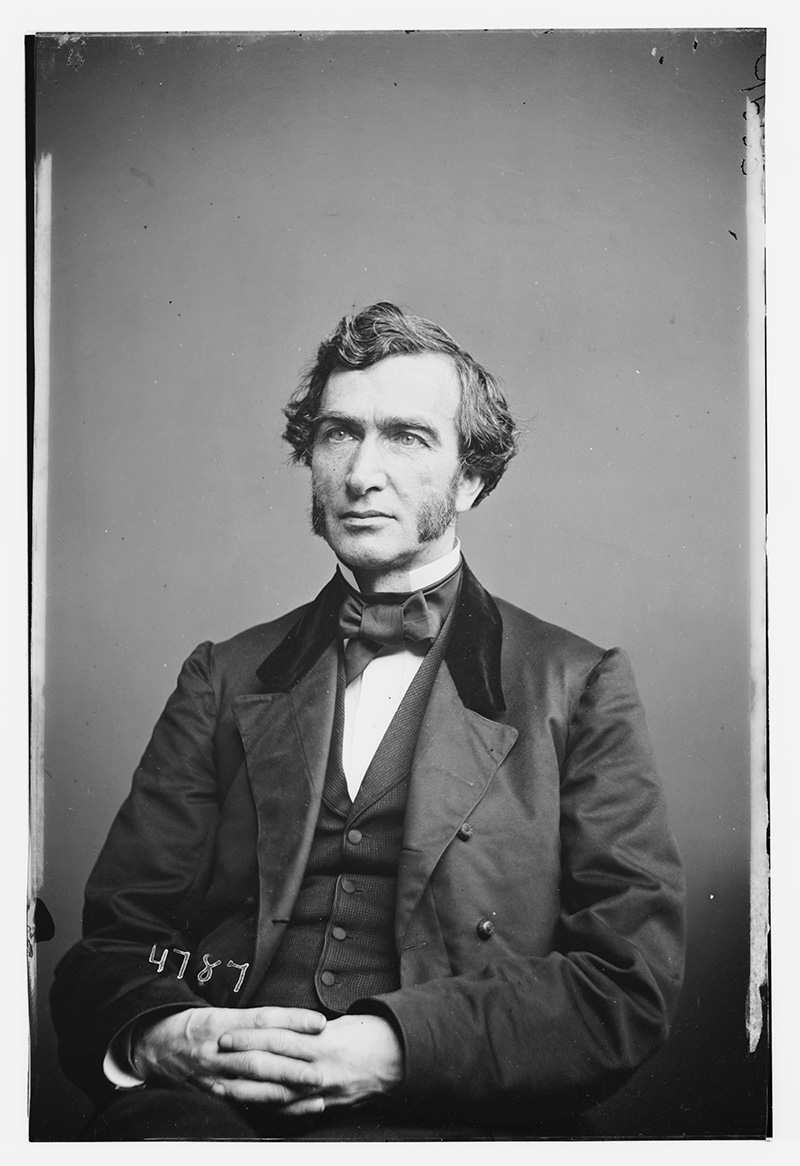
How did a man who left high school at the age of fifteen have a major impact on the development of some of our nation’s premier institutions of higher education, including the flagship universities of Vermont, Connecticut, New Hampshire, and Massachusetts? That would be a person with a core understanding of self and an uncompromising work ethic. That man was Justin Smith Morrill.

Connecticut River Museum at 50

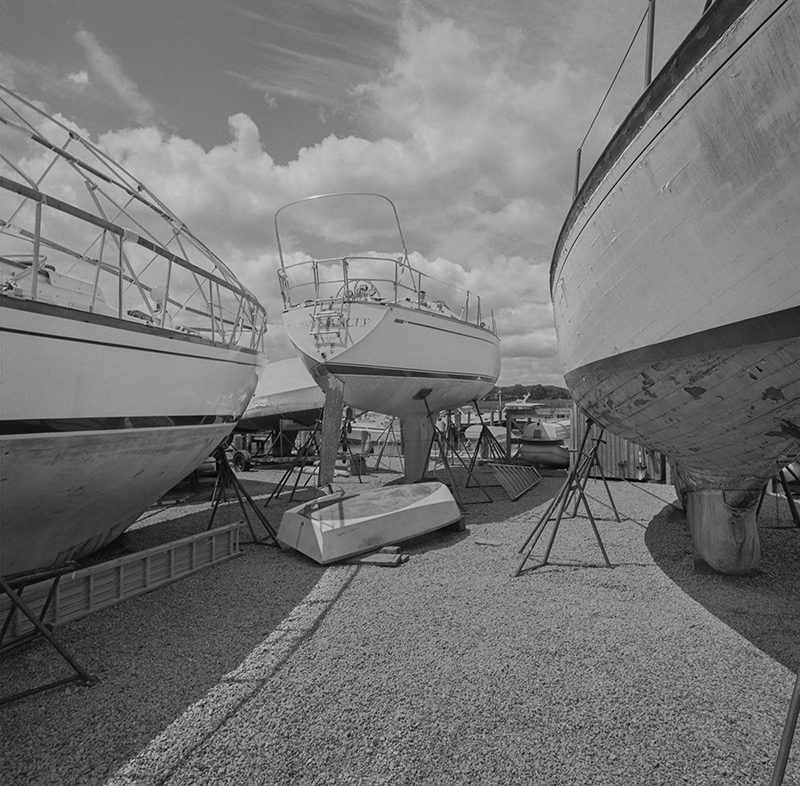
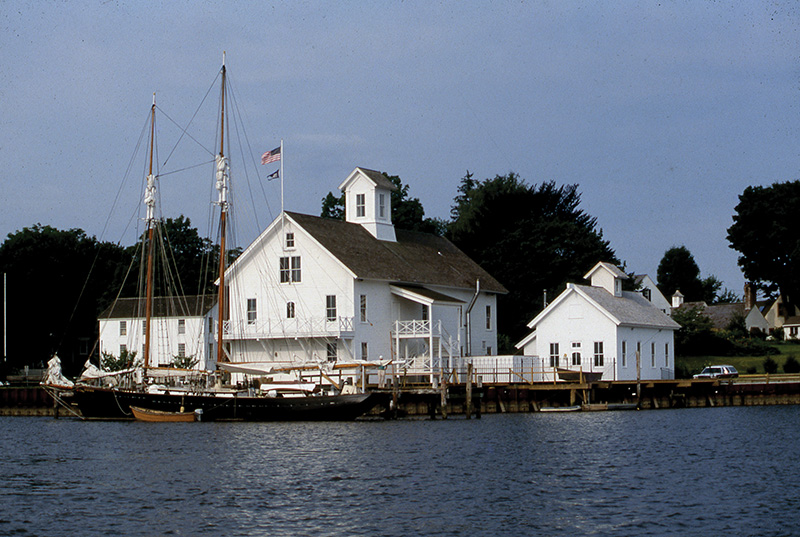
During the 1970s the increasingly decrepit Steamboat Dock building at the foot of Main Street in Essex, Connecticut, was a topic of conversation for visitors and residents alike.

The Deadliest War in the Connecticut River Valley

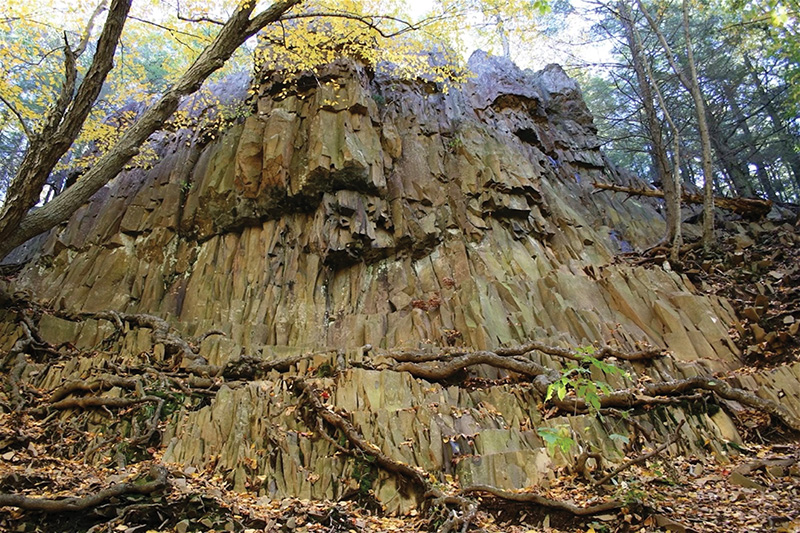
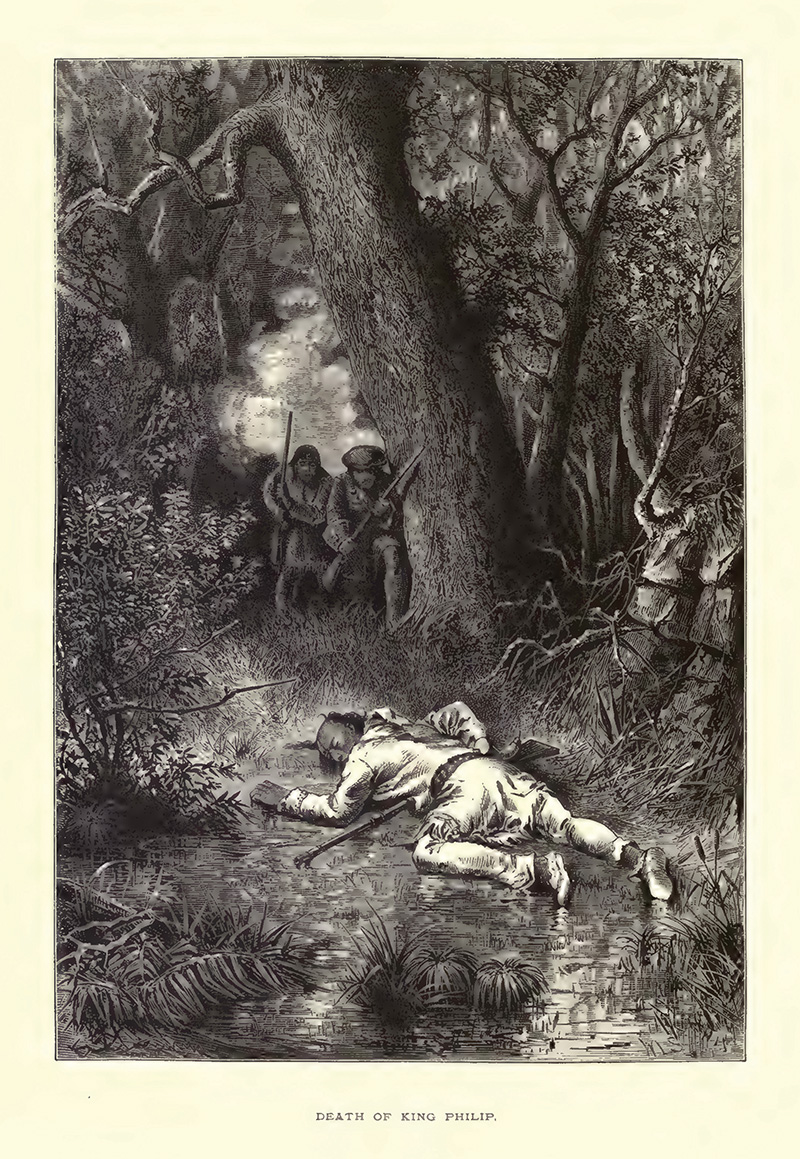
Odds are that most hikers who traverse Connecticut’s Metacomet Trail along a spectacular trap rock ridge west of the Connecticut River have little idea that both trail and ridge are named after the Native American chief who in 1675 started a resistance that—if it had been successful—could have emptied New England of English colonists.

Migratory Bird Act

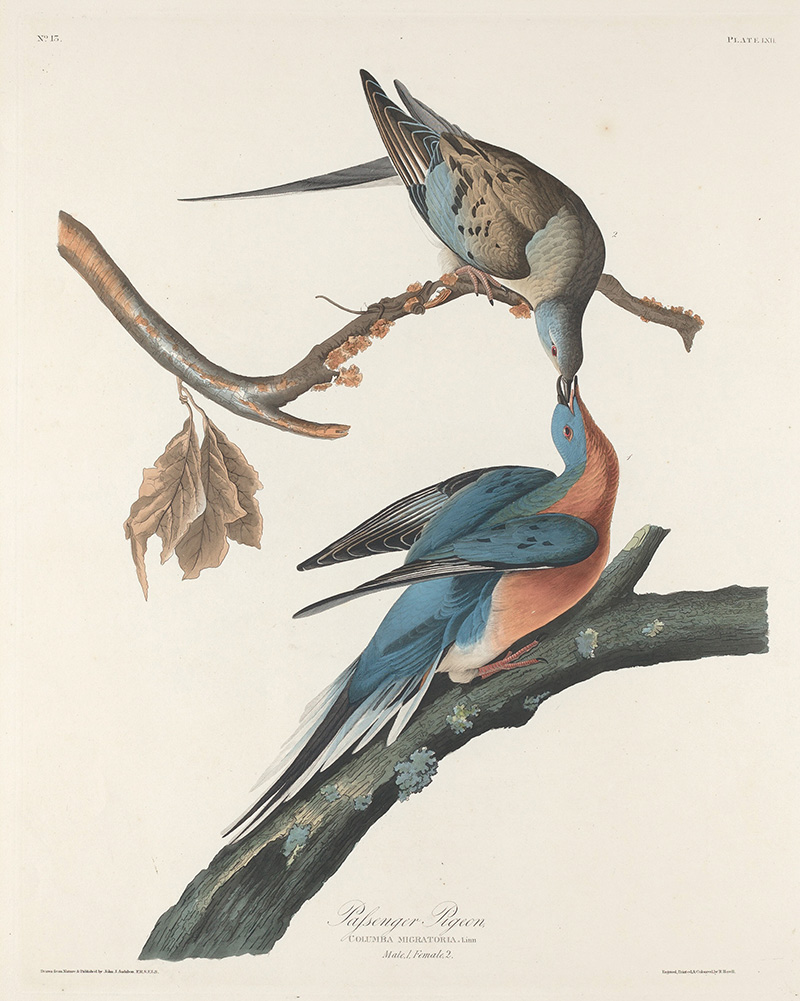
On September 1, 1914, at 1:00 p.m., the last passenger pigeon on Earth, Martha (named after Martha Washington), died at the Cincinnati Zoo.

An Island Treasure

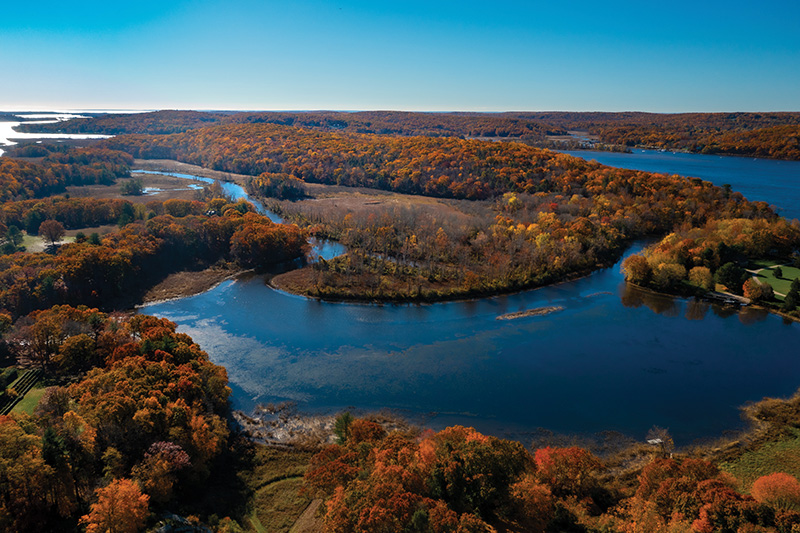
Selden’s shoreline bristles with looming hardwoods and a thorny understory. Surrounded by a natural moat, this verdant fortress, the largest island along the Connecticut River, is easily mistaken for the mainland.

Practical Beauty

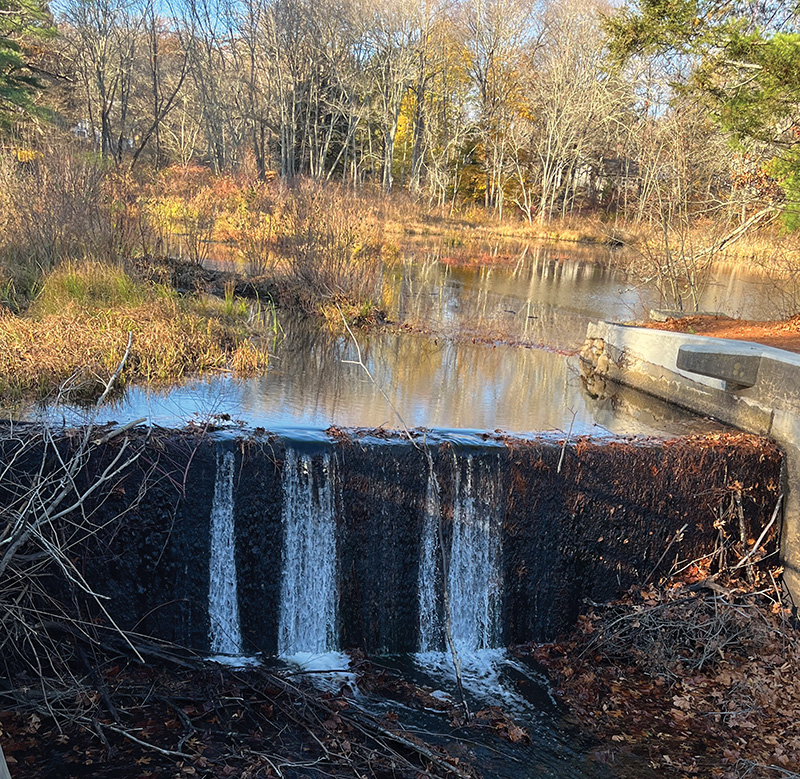
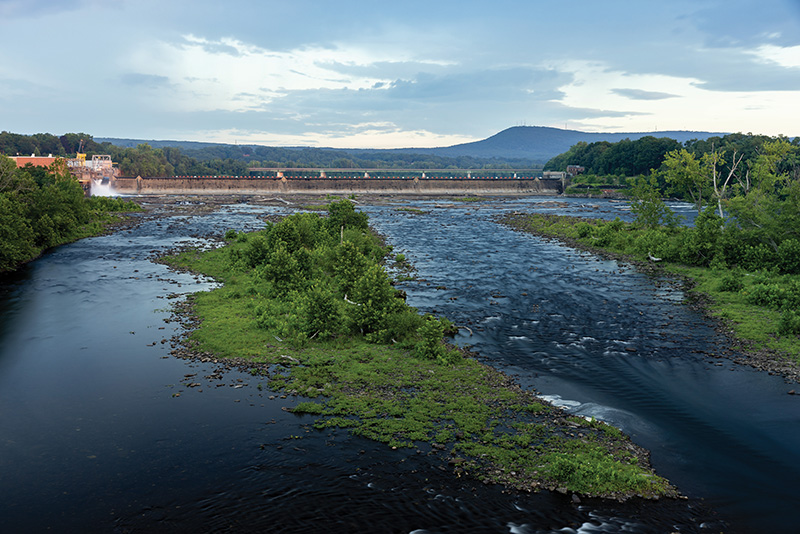
On a fine spring day in May, a morning mist rises as snowmelt from the peaks of Vermont and New Hampshire spills over the long slope of Holyoke’s granite dam.

Charter Oak

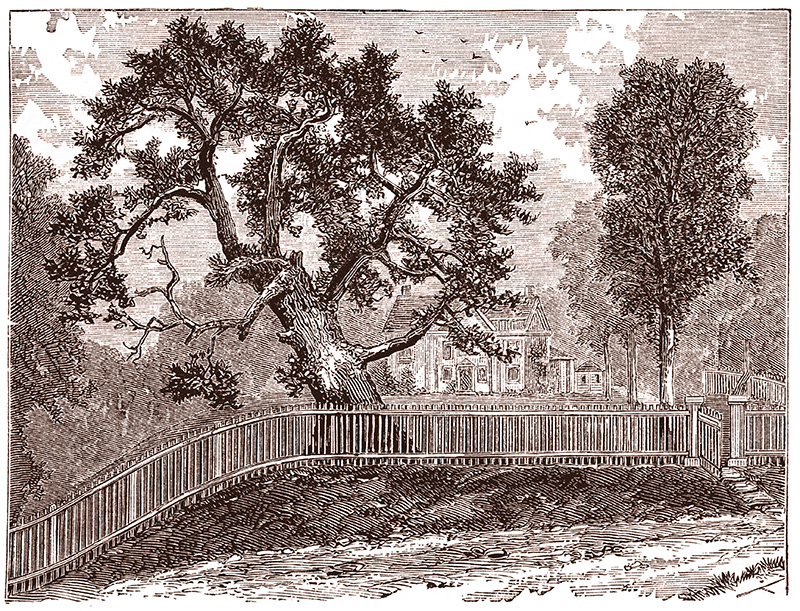
It’s hard to believe that a tree could save a democracy, but according to legend, that’s exactly what happened when Sir Edmund Andros arrived in the Connecticut colony in 1687 to collect the royal charter given to the Puritan settlers by King Charles II in 1662.

Hetty Green

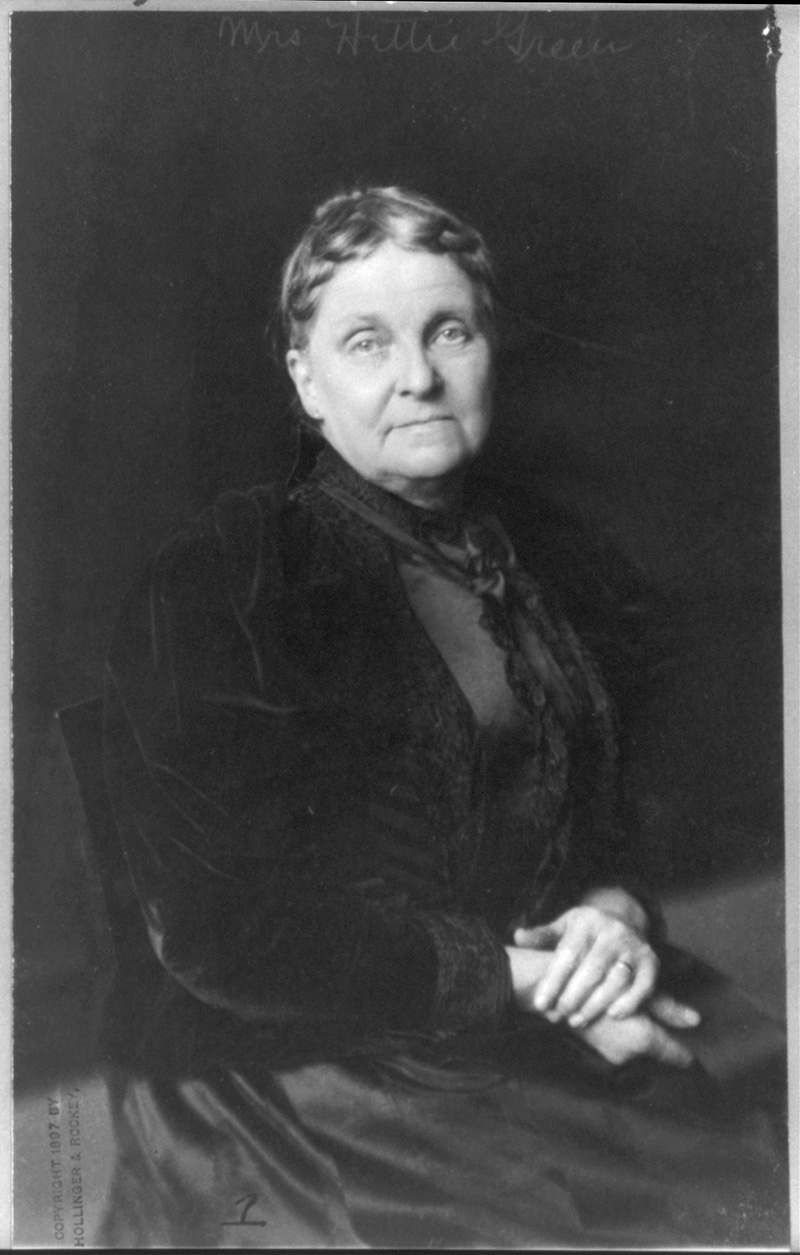
Queen of Wall Street, Witch of Wall Street. Whichever sobriquet you use, Henrietta (Hetty) Howland Robinson Green was one of the richest Americans—ever.

The Lost Continents of the Connecticut River

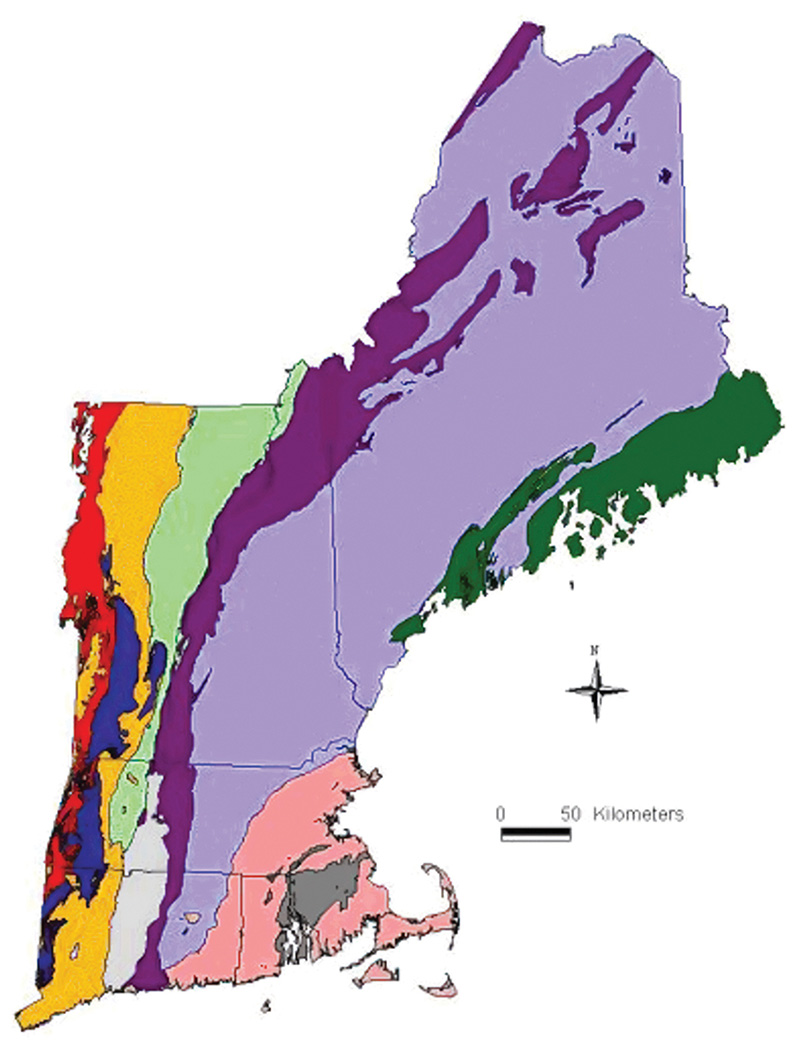
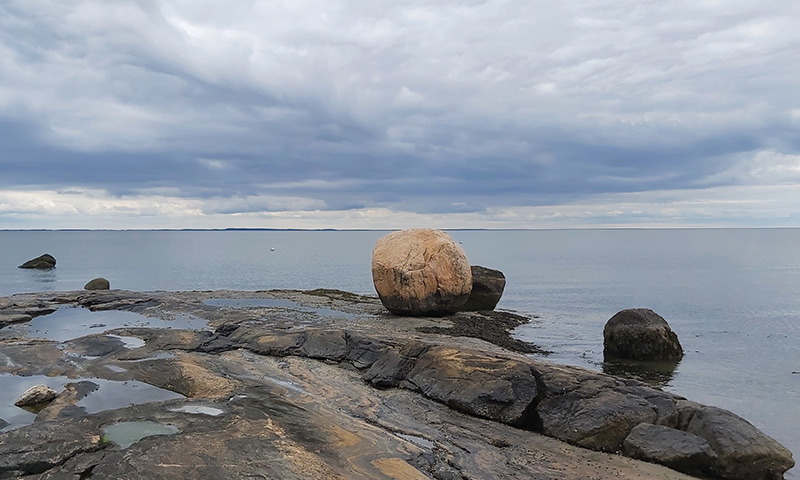
Spattered with glacial detritus, it is an area of rocky dells and ridges, cut by Roaring Brook as it tumbles down toward Whalebone Cove on the Connecticut River. Red Oaks and White Pines march up the hill, with patches of hornbeams and black birch.

Worlds Apart

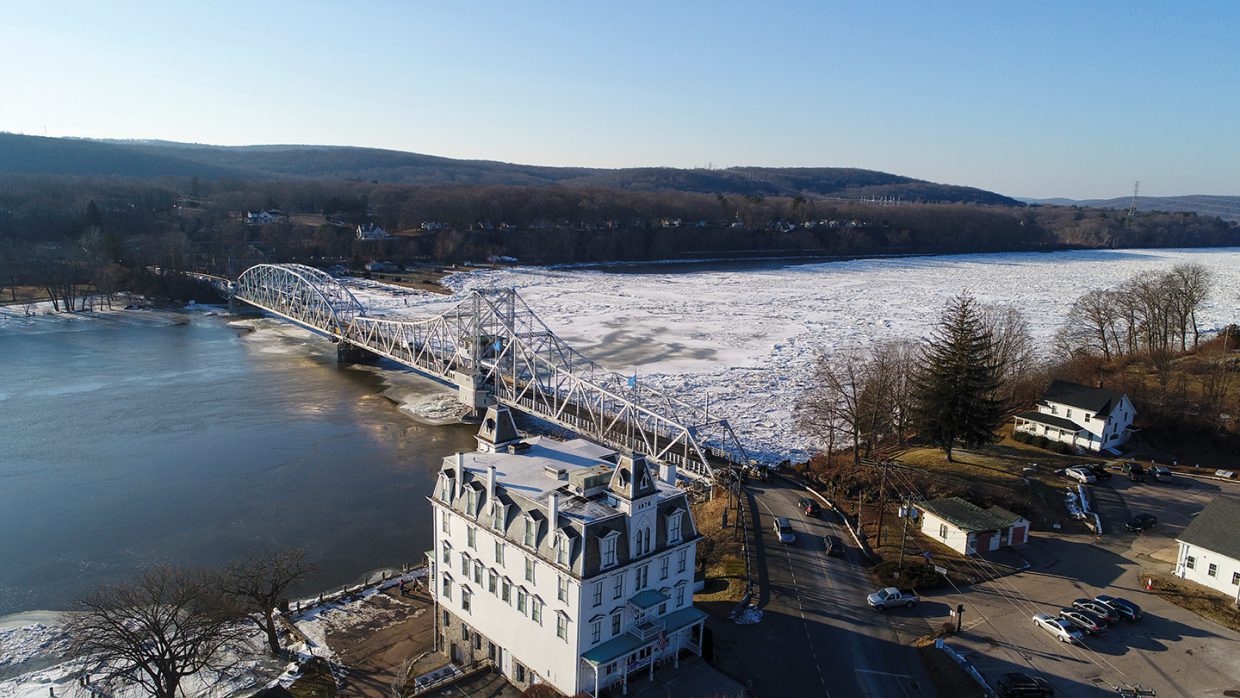
The Connecticut River cradles the city of Middletown (f. 1653) at a modest bend in its course, a place originally called Mattabesset, Algonquin for “end of the carrying place.”

Gamboling on the Frozen River

It was always colder way back when, back in the day, at least according to the ancient ones—generations of parents and grandparents. It turns out they were correct.

My Ride Down Hog River

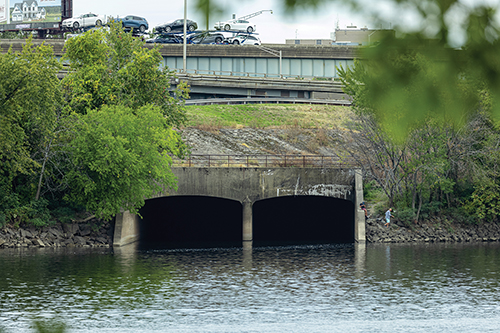
I knew it was a once-in-a-lifetime opportunity the minute I got the call—a chance to go where few people have been before without leaving Connecticut.

A Man’s Home is His Castle

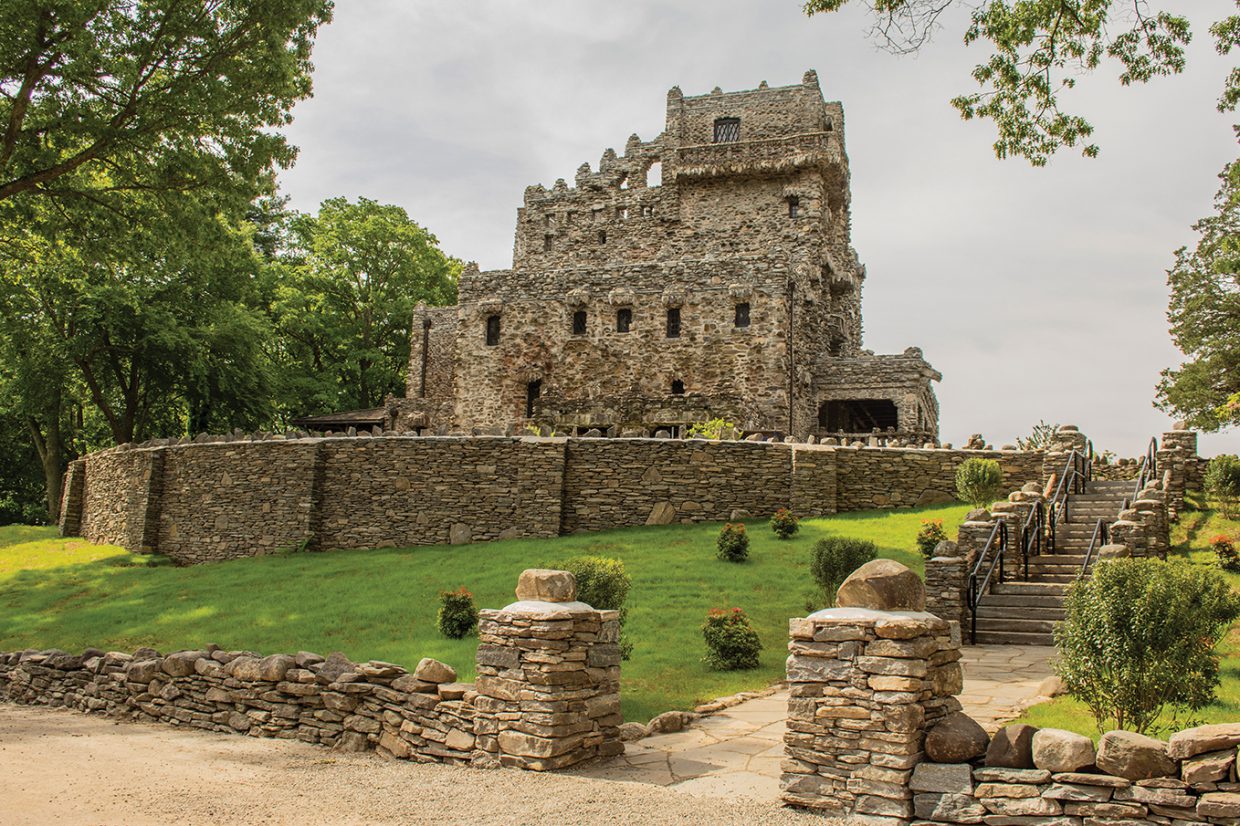
From the deck of the Aunt Polly, William Gillette watched the passing green hills of the lower Connecticut River. It was 1913, he was sixty years old, and he had been thinking about retirement.

Mabel Osgood Wright

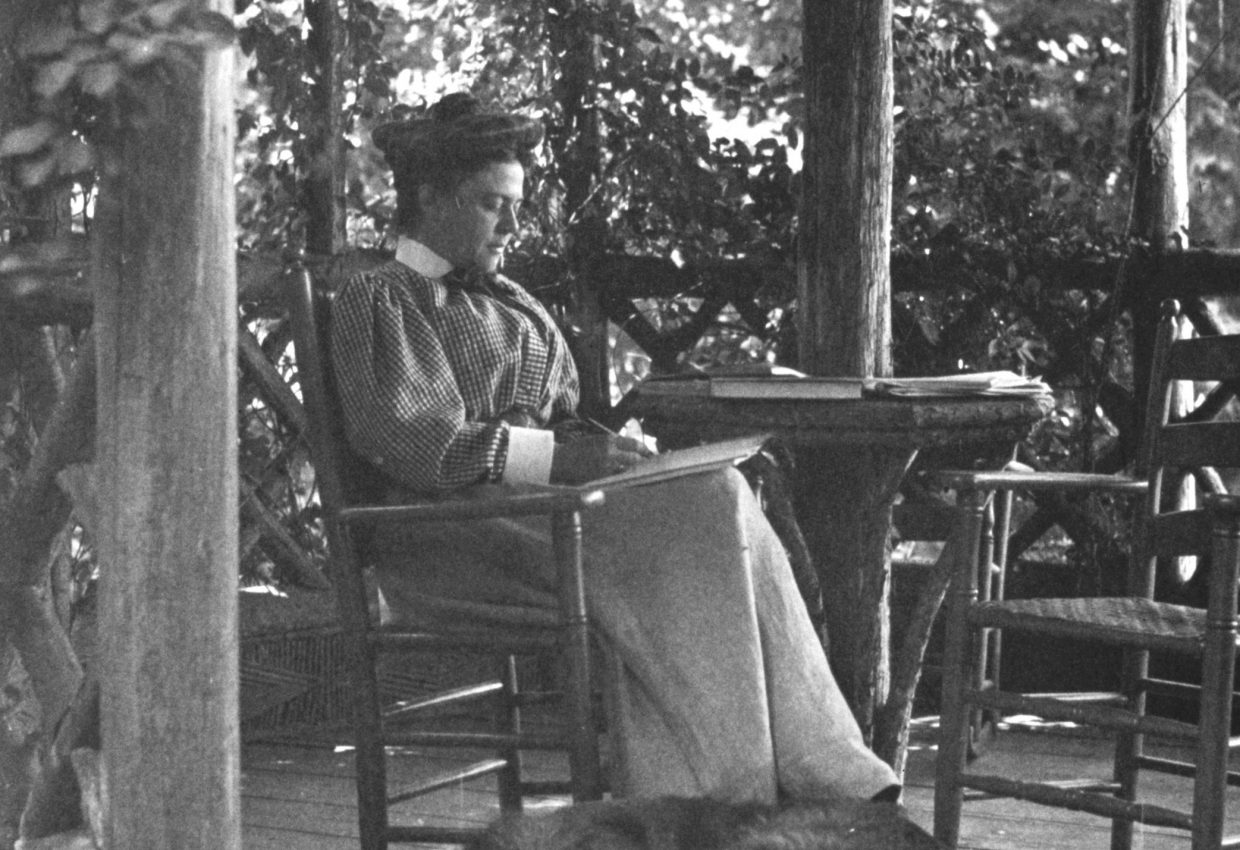
Three miles from the Connecticut River, we stood in a circle under a tree in the garden of Emily Dickinson’s home, reading poems, passing a book around, no more than two or three feet from each other. The 1813 Amherst home built for her grandparents stood proudly in the sunshine, and the voices of another tour group filtered out.

Lydia Sigourney

Three miles from the Connecticut River, we stood in a circle under a tree in the garden of Emily Dickinson’s home, reading poems, passing a book around, no more than two or three feet from each other. The 1813 Amherst home built for her grandparents stood proudly in the sunshine, and the voices of another tour group filtered out.