There are so many opportunities today to enjoy fish from around the world but indigenous trout have always been a North American favorite.
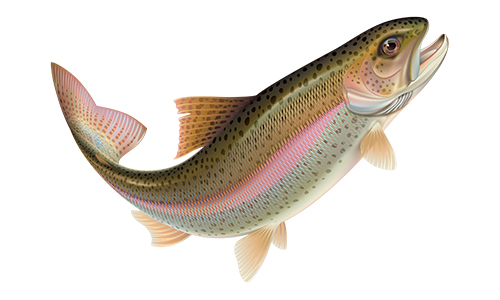

There are so many opportunities today to enjoy fish from around the world but indigenous trout have always been a North American favorite.
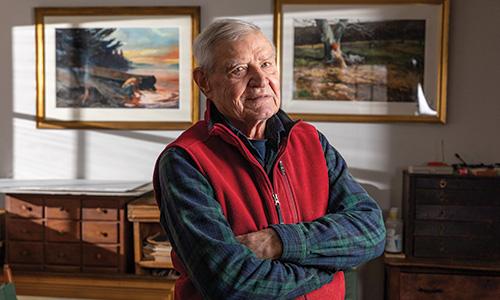
At 85 years, Chet Reneson of Lyme, Connecticut, who has for decades perched on the pinnacle of sporting art, is still on his game with more commissions than he can handle. Those in the know about his paintings of hunting, fishing, and nature included in the genre of wildlife art would say it is because of his talent, but Reneson, who has lived most of his life in the Connecticut River’s estuary country, cites an additional reason. “Most of the other top sporting art painters are dead,” he says.
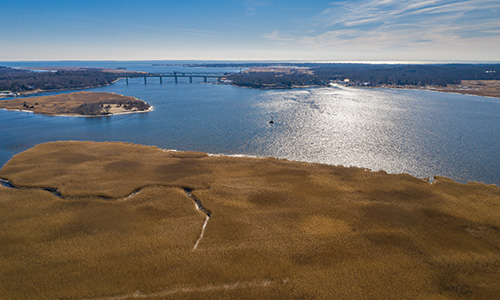
he tranquility and stunning grandeur of the Connecticut River inspires poets, artists, and musicians. It also attracts picnickers, boaters, and tourists seeking fun and adventure. Like all rivers, however, the Connecticut River is influenced by forces of gravity that move water from source to terminus, or in this case, the half mile of vertical drop from Canada to the River’s mouth at Long Island Sound.
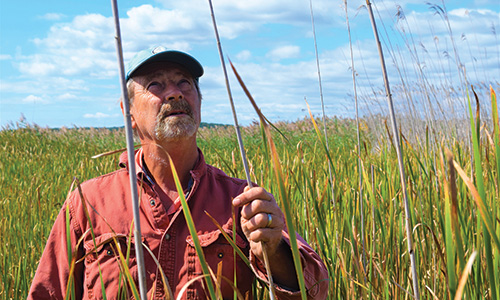
A few miles upstream from where the Connecticut River merges with Long Island Sound is Lord Cove Preserve, a picturesque tidal marsh enjoyed by many outdoor enthusiasts. Kayakers and canoeists call Lord Cove a “corn maze on water,” marveling at its five miles of narrow, looping waterways.
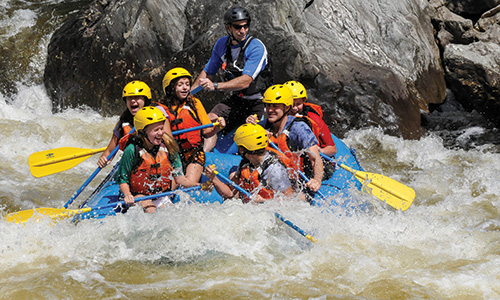
There is perhaps no better way to enjoy the outdoors—particularly the parts of it inaccessible by roads—than by canoeing or kayaking our rivers and creeks.
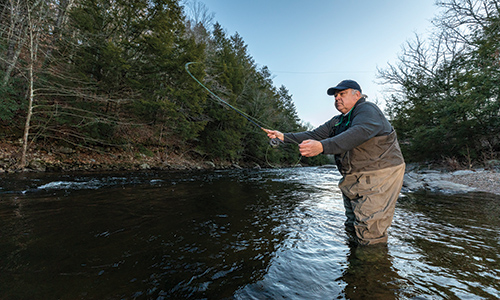
The first time I fished the Scantic River with my father, a great blue heron soared directly toward us through a gauntlet of sycamores, only yards away, his wingtips stretched seemingly from bank to bank. I can’t even remember how many fish I caught that day, but since then this small tributary of the Connecticut River has become my seventy-year-old father’s favorite stream.
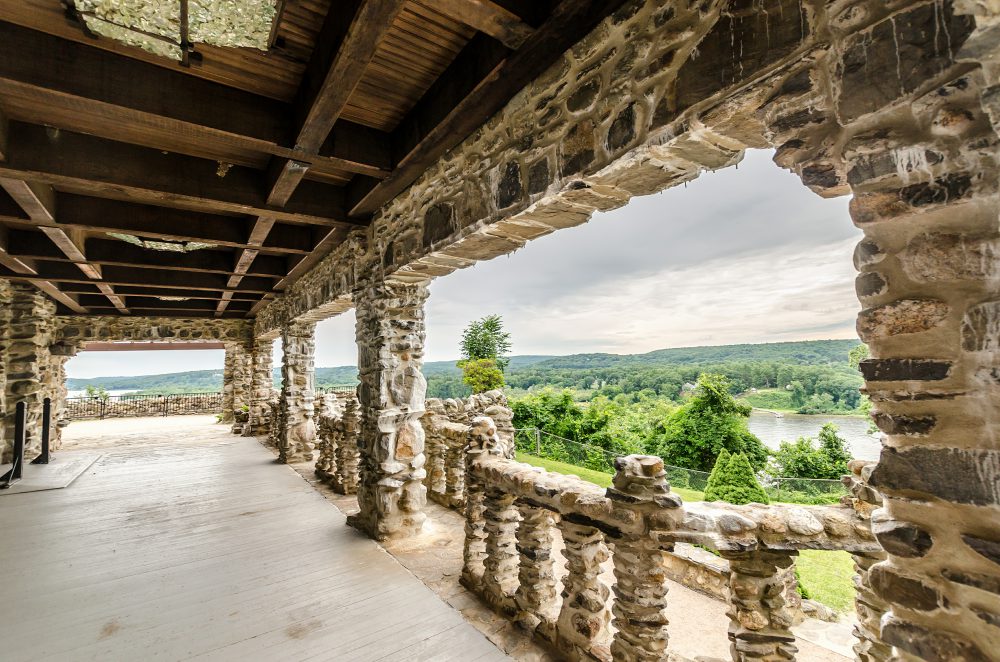
We weren’t settled for very long in Glastonbury before I joined the Connecticut Audubon Society and became a member of the Regional Board of Directors of its nature center in Glastonbury and then was elected to the state Board of Directors. These responsibilities introduced me to still more dimensions of the Connecticut River.
For this inaugural blog, I thought that I would recount several of my Connecticut River experiences that fostered the strong emotional attachment that I hold for the River today. They happen to intersect five of the articles that either appeared in the first issue or are planned to appear in one or more of the next three quarterly issues of the magazine.
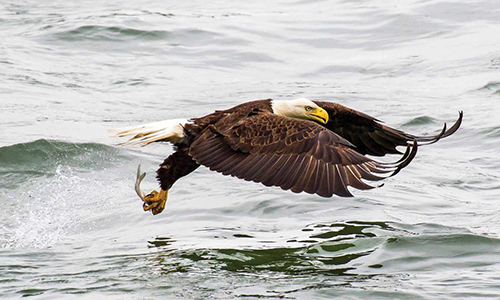
Dead drifting my canoe along a stretch of the upper Connecticut River a few miles upstream of the Wilder Dam, a flash of white against the dark green pine background revealed the perching spot of an adult Bald Eagle.
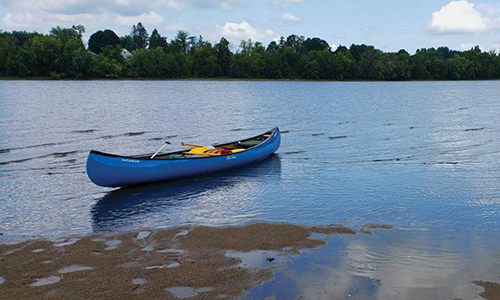
A dreamed of trip becomes a reality— paddling down our Connecticut River
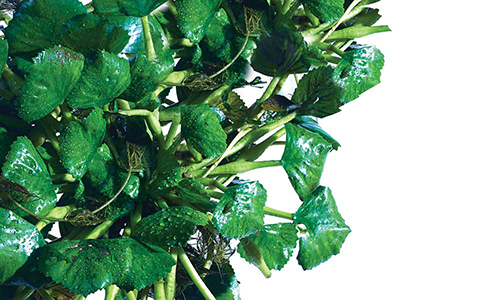
The aquatic plant known as Trapa natans has the unfortunate common name of water chestnut, leading people who are first hearing about it to think that it may well be a bonus source of that good appetizer, with a strip of bacon wrapped around it.
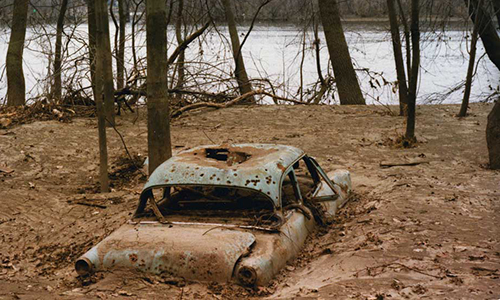
Following a recent major storm, a 500-gallon propane tank floated down the Connecticut River and mushed into the sand just north of Calves Island in Old Lyme, Connecticut. It arrived at high tide and was stuck there for some days. People who ventured near departed quickly after getting a whiff of the propane gas leaking from the tank. A police boat approached the itinerant
tank and backed off. An inflatable fireboat came, sniffed, and also backed off. Finally, experts in handling such matters snared the tank and hauled it away.
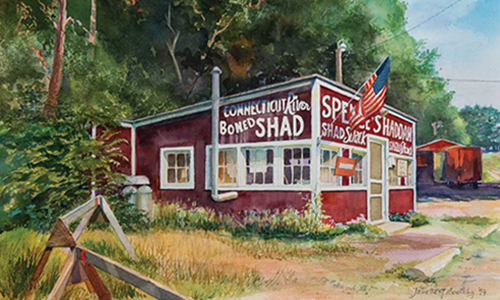
Early on an April morning, a cold mist lies over the Connecticut River. When the sun breaks through and the mist rises, there is shimmering on the water. Regularly, for a brief moment, the modern melds into the timeless and across the expanse of marshes and blue water you see the silver flash and hear the blare of a diesel horn from the Old Lyme Draw every time an Amtrak train speeds along the old truss railroad bridge.
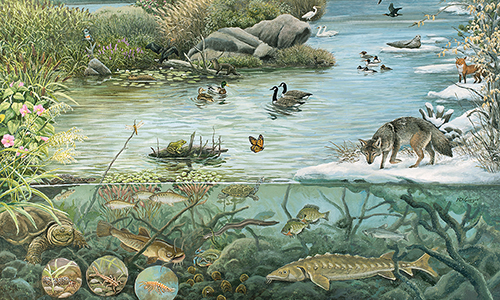
In 2016, the Connecticut River Museum commissioned renowned wildlife artist Mike DiGiorgio to create a painting that would bring to life the tidal marshes of the lower Connecticut River. The painting
was photographed by award-winning photographer Jody Dole and enlarged to a mural that is 81 ¼” L x 76” H and installed as a permanent exhibit at the Museum.
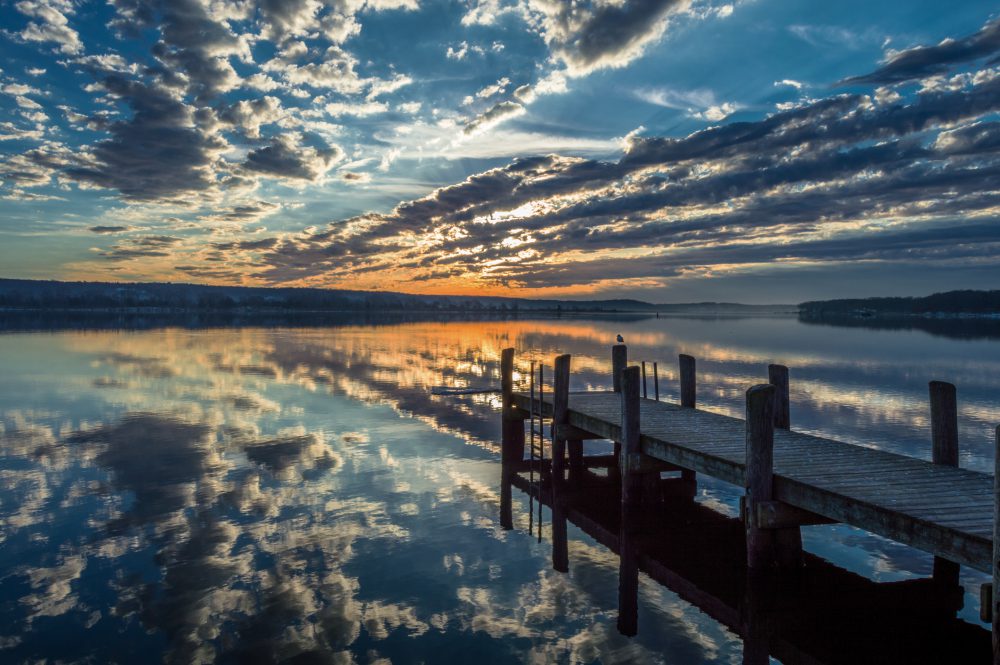
A poem by GRAY JACOBIK, a
widely-published,nationally-recognized American poet.
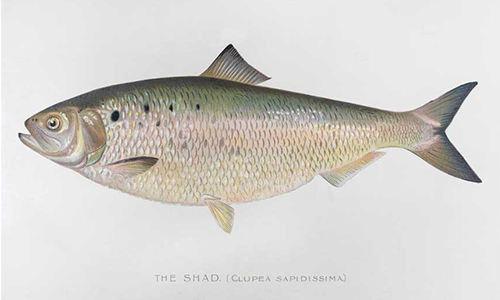
Well, if it’s May or June, it’s fresh shad! Indigenous to the East Coast from Newfoundland to Florida, American shad migrate from the salty Atlantic to fresh river waters to spawn. Its Latin name, Alosa Sapidissima, translates to “most savory shad” or “delicious herring,” which indeed it is. Shad’s unique flavor is both an acquired and sought after taste.
A dreamed of trip becomes a reality— paddling down our Connecticut River
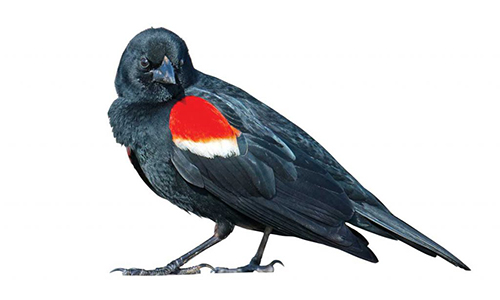
One of us visited the heart of the Soviet Union during
its latter days and was struck by the absence of
birds in general, and certainly the absence of avian
variety. Among the major differences between the USSR
and North America was the lack of proven, sensible
environmental laws and regulations governing such
things as pesticides, hedgerow preservation, and land use
in the Soviet Union.
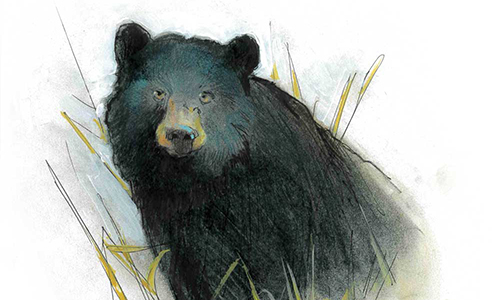
As black bear populations continue to grow in the Connecticut River Valley and beyond, now more than ever there’s a need for people and public officials to work together to sustain a healthy bear population.
♦ Ferry Landing State Park
♦ Great Island Boat Launch